
Contractor Website Design
Every industry has its own structure, client expectations, and decision-making process.
A website that works well for one type of business may fail in another if these differences are ignored.
Many small and mid-sized companies – especially service businesses and contractors – rely on their websites to explain services clearly, build trust quickly, and generate local inquiries.
We design websites with industry context in mind, adapting structure, content flow, and functionality to how businesses actually operate within their field. This approach helps create websites that support real business goals rather than generic templates.
Explore the industries below to see how our web design approach adapts to different business environments.




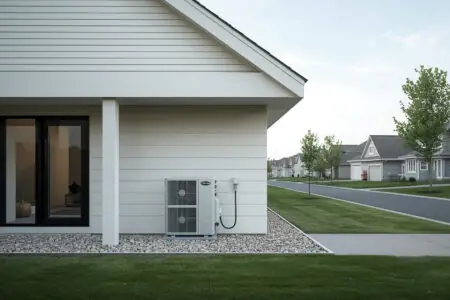



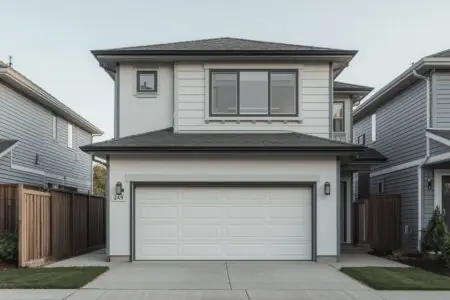





Service businesses across the United States rely on well-structured websites to generate leads, build trust with potential customers, and compete in local search results.
While each industry has its own operational specifics, many service companies face similar digital challenges: explaining services clearly, building credibility online, and capturing leads from local searches.
Below are some of the most common service industries that benefit from specialized website structure and local SEO strategies.
Yes. Each industry operates with its own audience expectations, sales process, and level of competition. We design websites with these differences in mind, adapting structure and content rather than relying on generic layouts.
Customization is based on context, not presets. Structure, navigation, content flow, and functionality are shaped around how a particular type of business actually works and communicates with its clients.
Industry websites are built with search structure in mind from the start. This includes clean architecture, clear service hierarchy, mobile usability, and content alignment with how people search within a specific industry.
SEO is treated as part of the structure, not an add-on.
That’s common. In such cases, we focus on the primary business model and audience, then incorporate relevant elements from related industries to create a coherent and practical website structure.
Yes. Websites are designed to be adaptable. As services expand or positioning shifts, new sections, pages, or features can be added without disrupting the overall structure.
Yes. We work with U.S.-based companies in a variety of industries, adapting website structure and messaging to market expectations rather than applying a single formula.
We don’t rely on prebuilt layouts or one-size-fits-all solutions. Each industry page reflects practical considerations such as service complexity, sales cycles, local competition, and audience behavior.
Our goal is not to standardize industries, but to understand them well enough to make informed design decisions. This results in websites that support clarity, trust, and long-term usability – regardless of whether the business operates locally, regionally, or nationally.
Industry pages are meant to illustrate how thoughtful structure and context-driven design can shape a website into a reliable business tool.
Service companies operate in highly local markets where visibility in Google search results often determines which businesses receive calls and quote requests.
Many of the industries we work with – including plumbing companies, HVAC contractors, roofing companies, and electrical service providers – compete heavily in cities across Illinois.
We regularly work with businesses in markets such as Naperville, Aurora, Schaumburg, Plainfield, and other nearby service areas where a well-structured website can significantly improve local visibility and lead generation.