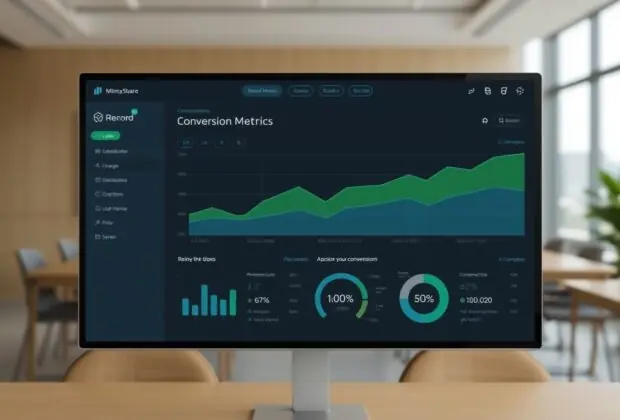
Most Websites Look Good – But Don’t Perform
Today, it’s easy to launch a website that looks modern. Clean layout, nice typography, decent images — everything seems in place.
But when you look deeper, most of these websites don’t bring consistent traffic or leads.
The problem is simple: they were designed visually, not strategically.
An SEO-ready website is built differently. It’s not something you “optimize later.” It’s something you design from the ground up with search visibility and conversions in mind.

What “SEO-Ready” Actually Means in Practice
When a website is truly SEO-ready, search engines can clearly understand what the business does, where it operates, and which pages should rank for specific queries. At the same time, users can quickly find what they need and take action without friction.
This doesn’t happen by accident. It comes from decisions made long before the design is finalized.
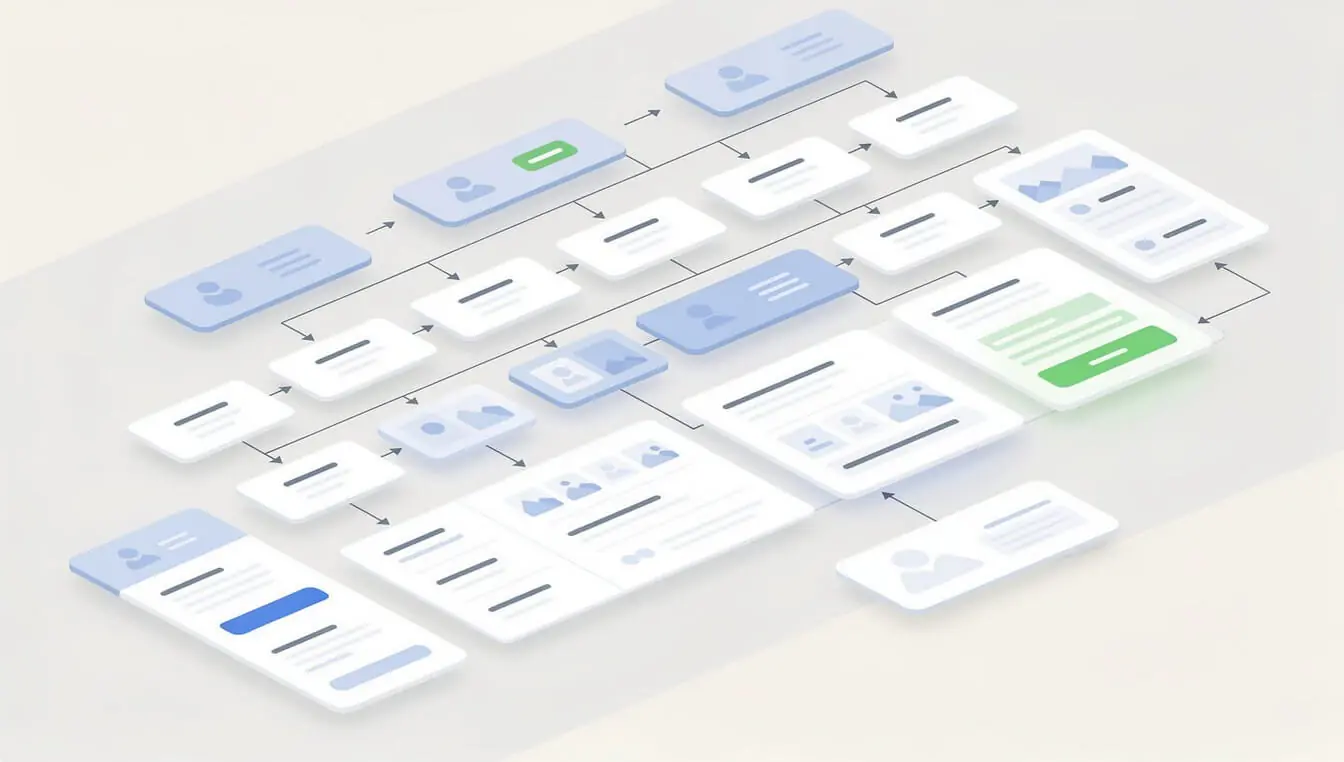
Structure is the first layer. Instead of randomly created pages, the site is organized in a way that reflects how people search.
This is exactly how we approach website design services – building sites with structure planned before design.
Services are separated logically, locations are clearly defined, and URLs make sense both to users and to search engines. When this is done right, Google doesn’t have to guess what each page represents.
Content is the next layer.
This is especially important for local visibility, where properly built local SEO pages allow businesses to appear in specific city-based searches.
Not in the sense of “adding text,” but in how each page aligns with real search intent. People don’t search for abstract phrases. They look for specific solutions in specific locations. A properly built website reflects that behavior in its headings, page focus, and overall messaging.
The Technical Side Most Business Owners Never See
Even a well-structured website can struggle if the technical foundation is weak.
Search engines evaluate performance constantly. Load speed, mobile usability, and code quality all influence how a site ranks. These are not surface-level improvements that can be patched later without consequences.
An SEO-ready build takes care of this from the start. Pages load quickly, layouts adapt cleanly to mobile devices, and the code behind the design doesn’t create unnecessary obstacles for indexing. When this foundation is solid, everything built on top of it performs better.
Why Internal Structure Matters More Than It Seems
One of the most overlooked aspects of SEO is how pages connect to each other.
On many websites, pages exist in isolation. There’s no clear relationship between services, no connection between locations and offerings, and no logical path for users or search engines to follow.
A properly designed website feels different. As you move through it, everything is connected in a way that makes sense. Services support each other, locations reinforce visibility, and the overall structure distributes authority across the site instead of concentrating it in one place.
This is one of the reasons why some websites grow steadily in rankings while others remain invisible.
Design That Converts, Not Just Impresses
Ranking is only part of the equation.
If visitors land on a page and don’t take action, traffic has no real value.
An SEO-ready website is built with clarity. It guides users naturally, without distractions or confusion. The message is direct, the structure is easy to follow, and the next step is always obvious.
This doesn’t require aggressive design or heavy sales language. In many cases, it’s the opposite. Simplicity and clarity outperform complexity.
Why Most Websites Miss This Completely

The reason is not a lack of tools. It’s the process.
Most websites are built with a design-first mindset. SEO is treated as something that can be added later, often through plugins or minor adjustments.
By that point, the structure is already set, and fixing it often requires a deeper rebuild or a structured website redesign rather than surface-level changes. URLs are locked in, content is misaligned with search intent, and internal connections are weak or missing.
Fixing these issues later often means rebuilding significant parts of the site.
SEO Is a Structural Decision, Not a Feature
There’s a common assumption that SEO is an add-on. Something you install, configure, and improve over time.
In reality, SEO is embedded in how the website is built.
If the structure is wrong, no amount of optimization will fully compensate for it. If the foundation is solid, even moderate ongoing work can produce strong results.
This is why the difference between an average website and a high-performing one is rarely visible on the surface.
What Changes When It’s Done Right
When a website is built with SEO in mind from the beginning, it behaves differently over time.
Pages get indexed correctly. New content fits into the structure instead of competing with existing pages. Rankings improve gradually but consistently, and traffic becomes more relevant.
Most importantly, the website starts acting like a system rather than a static page.
Instead of just existing online, it begins to generate opportunities.

A website can either be something you have, or something that works for you.
The difference is not in how it looks, but in how it was built.
SEO-ready design is not about chasing algorithms. It’s about creating a structure that makes sense — for search engines and for real people.
Want to Know If Your Website Is Actually SEO-Ready?
Many websites appear fine on the surface but have structural limitations that hold them back.
A proper review usually reveals where visibility is being lost and what changes would make the biggest difference.
If you’re considering improving performance, explore our website design and optimization to see how structured websites are built to generate consistent leads.
In most cases, it’s not about redesigning everything. It’s about correcting the foundation so the site can finally perform the way it should.

Professional websites for small businesses and service companies.
Designed to present services clearly and attract new customers.

Other Insights
Smart Ideas for
Growing Online
Growing Online